How Evaluation Reports Link Deposit-Free Incentives to Retention Patterns in Verified Nordic Gaming Apps
Dana Lorenz · Oct 29, 2026
How Evaluation Reports Link Deposit-Free Incentives to Retention Patterns in Verified Nordic Gaming Apps
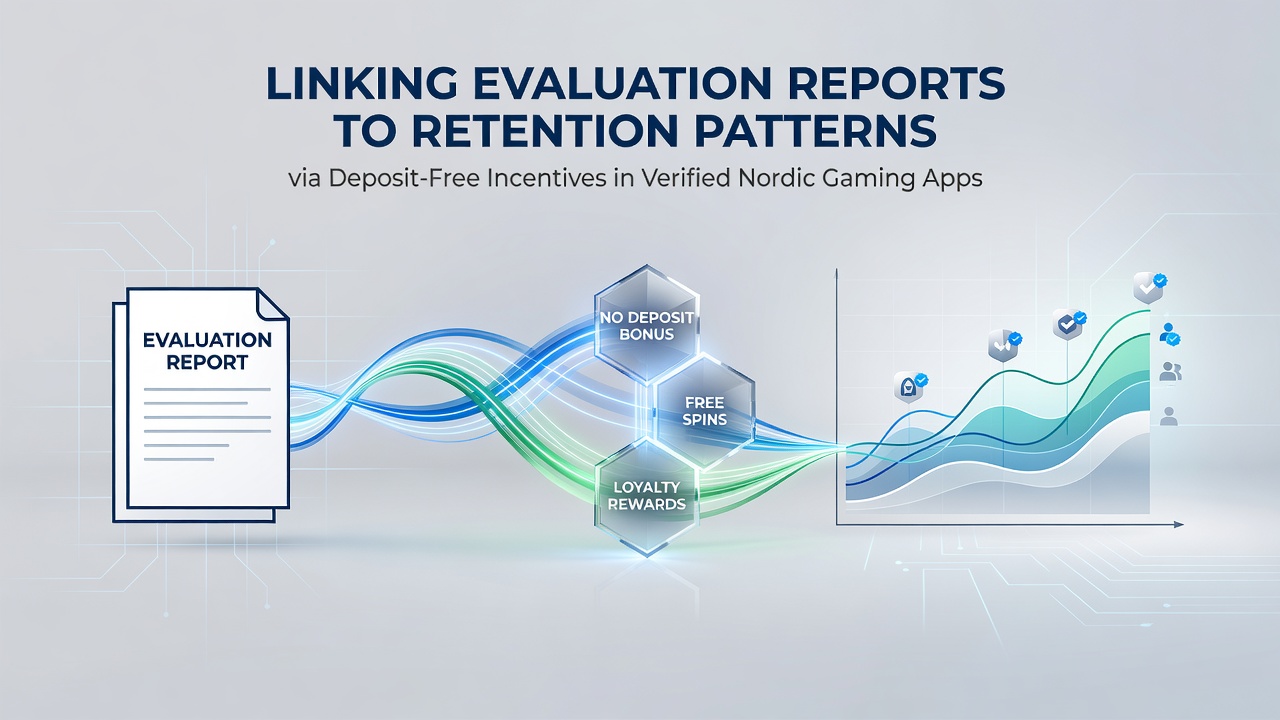
Evaluation reports from Nordic gaming markets track how deposit-free incentives influence user retention in verified mobile applications, and these documents draw on aggregated user data across Sweden, Denmark, Finland and Norway to map behavioral patterns over multiple quarters. Analysts compile metrics from licensed operators that include session frequency, return rates within thirty days, and progression to paid activity after initial free spins or bonus credits activate accounts. Such reports focus on verified platforms that meet strict licensing standards set by national authorities, which allows researchers to isolate the effects of zero-deposit offers from broader marketing variables.
Data Collection Methods in Nordic Evaluation Reports
Researchers gather information through anonymized transaction logs supplied by operators, combined with surveys that capture self-reported reasons for continued app use. Reports issued in 2025 and updated through October 2026 show that deposit-free incentives appear most often in initial onboarding sequences, where they reduce the barrier to first-time engagement. Observers note that these same reports separate short-term acquisition spikes from longer-term retention curves by measuring activity at seven-day, thirty-day and ninety-day intervals. Cross-referencing with device type and geographic location further refines the picture, because users in urban areas of Stockholm or Copenhagen demonstrate different return patterns than those in rural Finland.
Connections Between Free Incentives and Retention Metrics
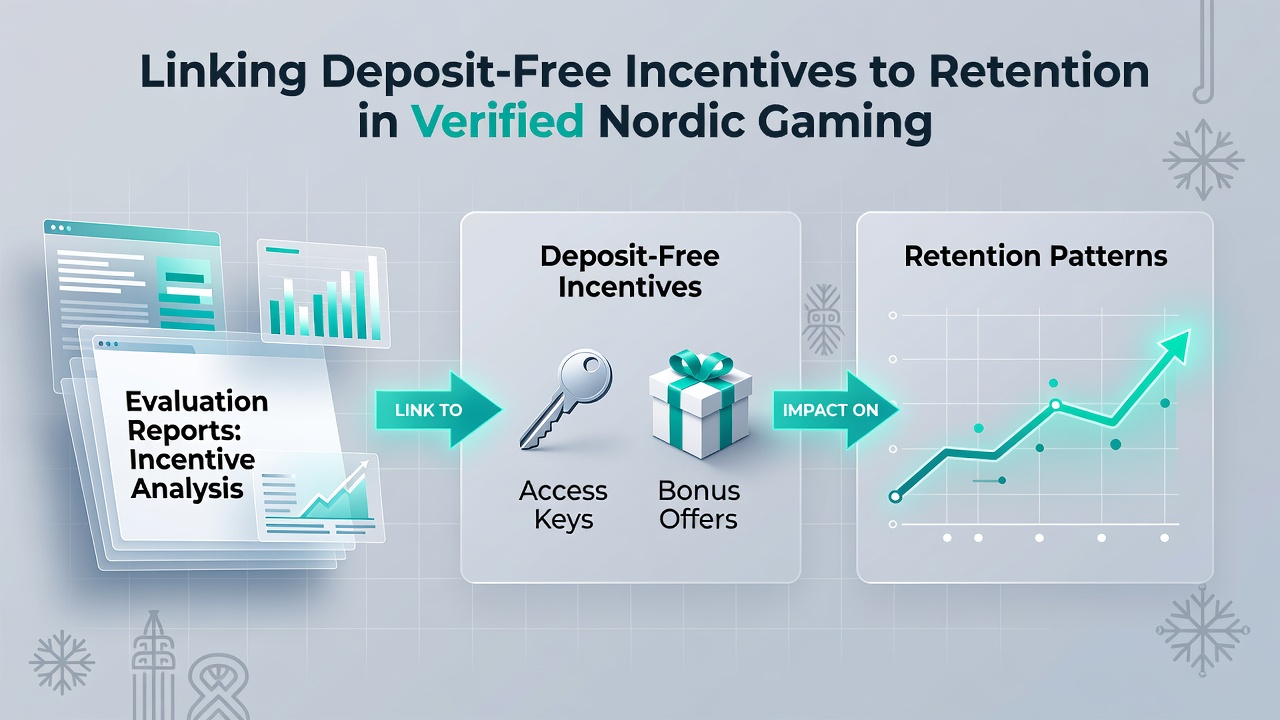
Figures compiled by independent review bodies reveal that verified Nordic gaming apps offering deposit-free spins record higher thirty-day return rates when the incentive includes clear wagering requirements and transparent expiration dates. One analysis of Danish and Swedish platforms found that users who redeemed a no-deposit bonus within the first session showed a 12 percent increase in subsequent logins compared with users who joined without such an offer. The same datasets indicate that retention gains plateau once players reach a certain activity threshold, at which point loyalty programs and in-app features begin to exert stronger influence than the original incentive. Reports emphasize that these patterns hold only within licensed environments where age verification and responsible gaming tools remain active.
Regional Variations Across Nordic Markets
Swedish evaluation summaries highlight that deposit-free incentives tied to specific game titles produce steadier retention curves than generic credit offers, while Norwegian data points to slightly lower overall engagement levels that still correlate with initial free rounds. Finnish reports document stronger retention among users who combine deposit-free bonuses with seasonal events, whereas Danish sources note steadier patterns when incentives align with national sports calendars. Across all four countries, reports released in October 2026 continue to show that verified apps maintain higher compliance scores when incentive terms appear in plain language within the app interface, which in turn supports sustained user activity rather than one-time redemptions.
Role of Third-Party Audits and Longitudinal Studies
Independent audits conducted by academic teams at institutions such as the University of Oslo and Copenhagen Business School supply additional layers of verification. These studies track cohorts of users over twelve months and compare retention between apps that prominently feature deposit-free incentives and those that rely primarily on deposit-matched promotions. Results indicate that the presence of a low-friction entry point correlates with higher completion rates for identity verification steps, which in turn feeds into more reliable long-term data sets. Observers point out that apps maintaining transparent reporting to national regulators also tend to publish their own retention statistics, creating a feedback loop that evaluation reports then aggregate and publish for industry-wide reference.
Future Tracking as New Data Emerges
With fresh datasets expected from the final quarter of 2026, evaluation frameworks now incorporate machine-learning models that predict retention likelihood based on early incentive interaction. These models draw from variables such as time between registration and first bonus claim, device operating system, and average session length during the incentive window. Reports stress that any predictive power remains conditional on continued regulatory oversight and consistent data-sharing agreements among licensed operators. As October 2026 closes, preliminary cross-border comparisons suggest that deposit-free incentives continue to serve as reliable early indicators within verified Nordic gaming apps, provided the surrounding ecosystem enforces clear rules and ongoing verification standards.
Conclusion
Evaluation reports therefore establish measurable connections between deposit-free incentives and retention patterns by relying on verified data streams, standardized time intervals, and regional comparisons. The resulting insights help operators refine onboarding sequences while regulators monitor compliance across the Nordic mobile gaming sector. Continued publication of these analyses through late 2026 will supply further detail on how initial incentives interact with evolving user behaviors in licensed environments.