Exploring Patterns in VIP Rewards Systems Across Different Casino Review Sources
Bianca Butler · Oct 1, 2026

Exploring Patterns in VIP Rewards Systems Across Different Casino Review Sources
Review platforms aggregate data on VIP rewards systems by examining tiered structures, point accumulation rates, and redemption options that operators deploy across markets. Analysts compile these details from user reports, operator disclosures, and regulatory filings to identify recurring frameworks that appear in multiple jurisdictions. Common elements include entry-level bronze or silver tiers that require modest wagering volumes, followed by gold and platinum levels that unlock higher cashback percentages along with dedicated account managers.
Core Components Identified in Aggregated Reviews
Review sources consistently document point systems where players earn credits based on bet volume, with conversion rates that vary by game type and operator policy. Data compiled through October 2026 shows that many platforms award one point per euro or dollar wagered on slots, while table games often yield reduced ratios such as one point per five or ten units bet. These metrics appear repeatedly across independent evaluations, allowing observers to map how thresholds for tier advancement cluster around similar milestones worldwide.
Exclusive promotions form another recurring pattern, with reviewers noting that higher tiers receive personalized reload bonuses, event invitations, and faster withdrawal processing. Reports from diverse markets reveal that platinum-level participants frequently access 5 to 10 percent cashback on net losses, whereas entry tiers receive 1 percent or less. Such differentials surface in comparisons drawn from European, North American, and Asia-Pacific review databases alike.
Regional Variations Documented Across Sources
Evaluations from the European Gaming and Betting Association highlight how operators in regulated EU markets integrate responsible gaming tools directly into VIP frameworks, such as automated spend limits tied to tier status. EGBA reports from 2025 and 2026 indicate that these integrations appear more frequently in reviews covering Malta and Sweden than in other regions. Meanwhile, assessments focused on North American markets emphasize loyalty points that transfer across multiple casino brands under shared ownership groups.
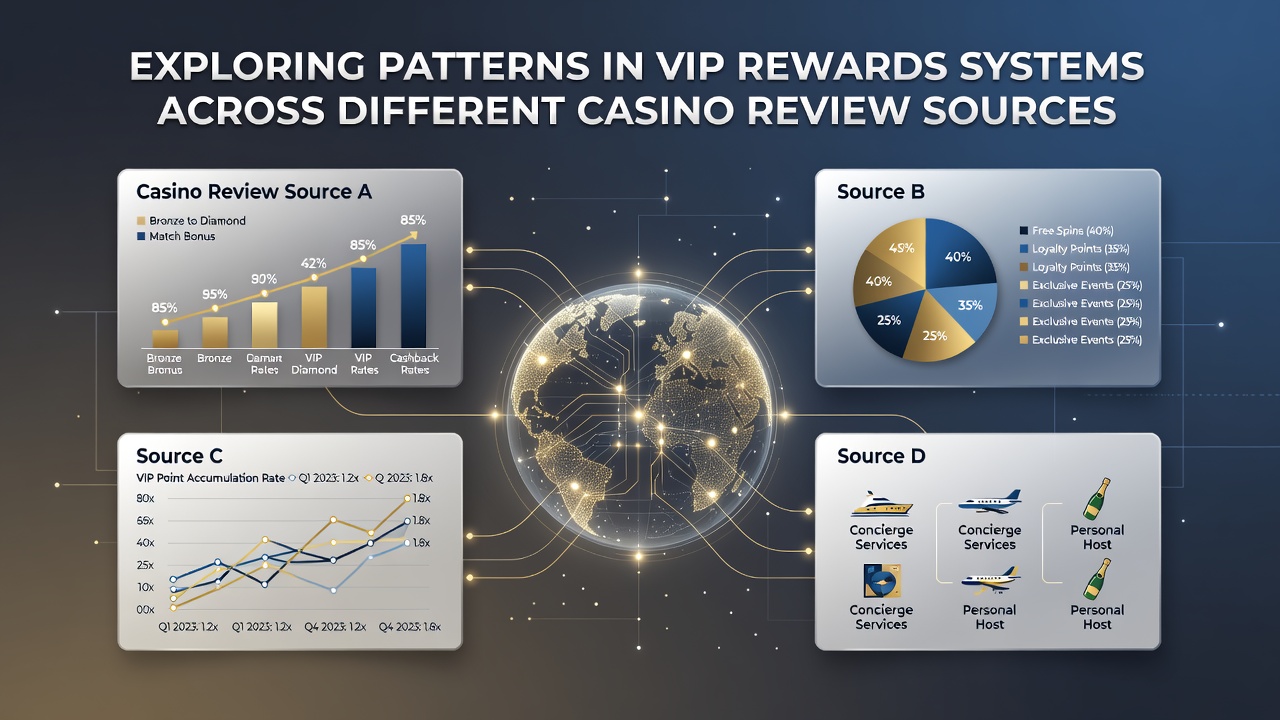
Reviewers examining Canadian and Australian operators note differences in how seasonal events influence VIP progression, with some platforms accelerating point earnings during major sporting calendars. Figures released through October 2026 demonstrate that these temporary multipliers affect tier climb rates in roughly 40 percent of reviewed programs, creating short-term spikes visible in aggregated user data. Such patterns contrast with steadier, non-event-driven structures observed in Asian market analyses.
Data Trends Emerging by October 2026
Cross-source comparisons reveal that point expiration policies have tightened in several jurisdictions, with reviewers citing 90 to 180 day windows before unused credits lapse. Regulatory updates from bodies such as the Malta Gaming Authority and the Nevada Gaming Control Board have prompted operators to publish clearer terms, a shift documented in multiple review roundups throughout 2026. These disclosures enable more precise benchmarking of reward value across competing sites.
Analyses also track how mobile integration affects VIP accessibility, since many programs now sync tier status and point balances through dedicated apps. Review compilations indicate that operators offering seamless cross-device tracking maintain higher retention metrics at elevated tiers, a correlation drawn from performance indicators shared in industry filings. Observers note that these technical features appear more prominently in reviews published after mid-2025 updates to platform standards.
Methodological Approaches Used by Review Platforms
Different review sources apply distinct weighting when evaluating VIP systems, with some prioritizing transparency of terms while others focus on redemption speed and diversity of benefits. Academic studies referenced in industry reports, including those from research institutions tracking global gaming trends, supply quantitative models that reviewers adapt to score programs on consistency and fairness. This methodological variety produces complementary datasets that together map broader patterns without relying on any single perspective.
Case examples drawn from aggregated reviews illustrate how one operator adjusted its platinum cashback rate from 8 to 12 percent following competitor benchmarking highlighted in multiple analyses. Such adjustments surface repeatedly in longitudinal tracking, showing how review-driven visibility influences program evolution across markets. Data sets compiled through October 2026 continue to support these comparative exercises.
Conclusion
Patterns identified across casino review sources demonstrate that VIP rewards systems share foundational elements while exhibiting measurable regional and operational differences. Tier thresholds, point conversion mechanics, and benefit scaling recur with enough consistency to permit systematic comparison, yet localized adaptations reflect regulatory environments and market preferences. Continued aggregation of data through late 2026 supplies reviewers with expanding material for identifying further alignments and divergences in program design.