Decoding Linkages Between Zero-Cost Rotations and Tiered Retention Tactics in Handheld Wagering Applications
Dana Lorenz · Sep 3, 2026
Decoding Linkages Between Zero-Cost Rotations and Tiered Retention Tactics in Handheld Wagering Applications
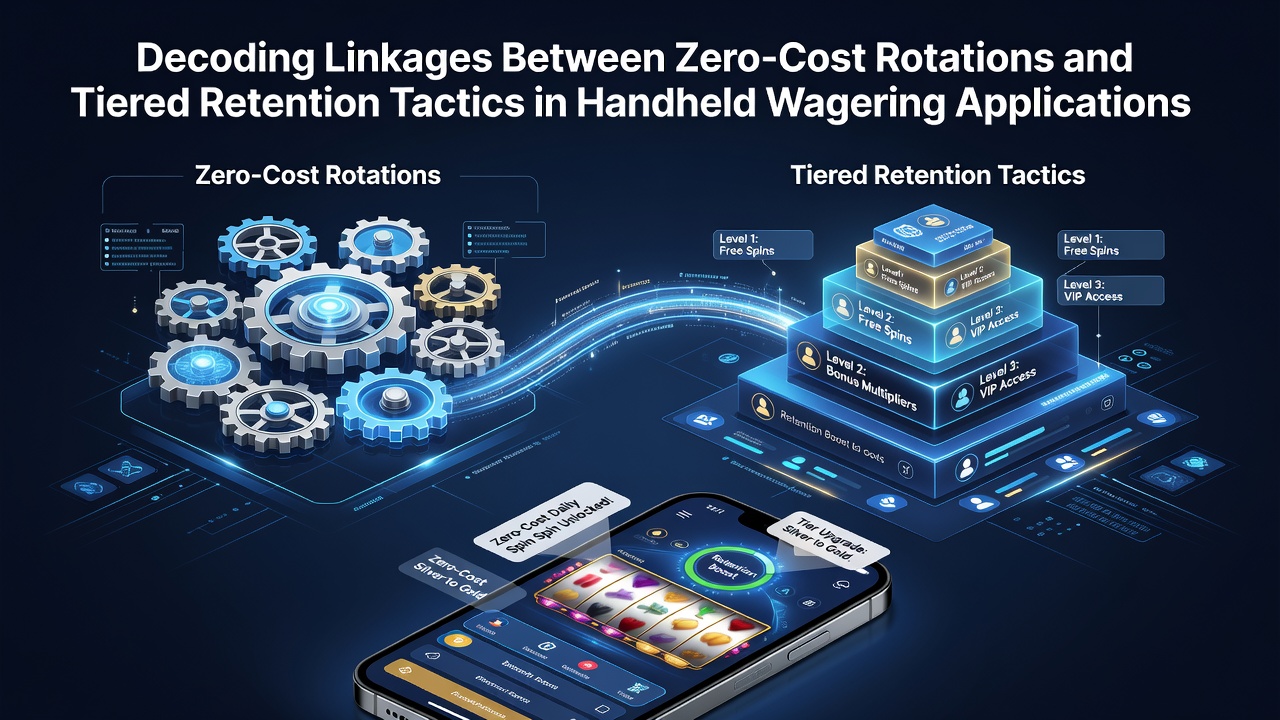
Zero-cost rotations, commonly known as free spins in slot-based handheld wagering applications, connect directly to tiered retention tactics that structure player progression across multiple levels of engagement, and researchers tracking these systems note that the linkage often operates through automated reward allocation tied to play volume and frequency metrics.
Core Mechanics in Mobile Wagering Platforms
Handheld wagering applications deploy zero-cost rotations as entry-level incentives that trigger upon account creation or initial deposits, while tiered retention systems assign players to progressive categories based on cumulative activity tracked in real time through backend algorithms. Data from industry reports shows these rotations feed into higher tiers by counting toward loyalty point thresholds, which in turn unlock scaled benefits such as increased rotation quantities or extended validity periods.
Observers tracking platform operations in North American markets point out that applications integrate these elements so a player completing a set number of paid rotations automatically receives zero-cost additions that count toward the next loyalty milestone, creating a continuous cycle documented in user activity logs from operators in Nevada and New Jersey as of September 2026.
Regional Implementation Patterns
European operators have adapted similar linkages under varying regulatory frameworks, and figures from the European Gaming and Betting Association reveal that mobile applications in several member states combine zero-cost rotations with tier advancement to maintain session durations across demographic segments. Australian regulatory data indicates parallel structures where state-level oversight requires transparent display of how rotations contribute to tier status, resulting in standardized notification systems within apps.
Canadian provincial frameworks further illustrate the pattern, with studies from academic institutions showing that tiered systems in mobile environments use rotation-based triggers to shift players from base levels to mid-tier status within defined time windows, often measured in weeks rather than months.
Data Linkages and Retention Metrics
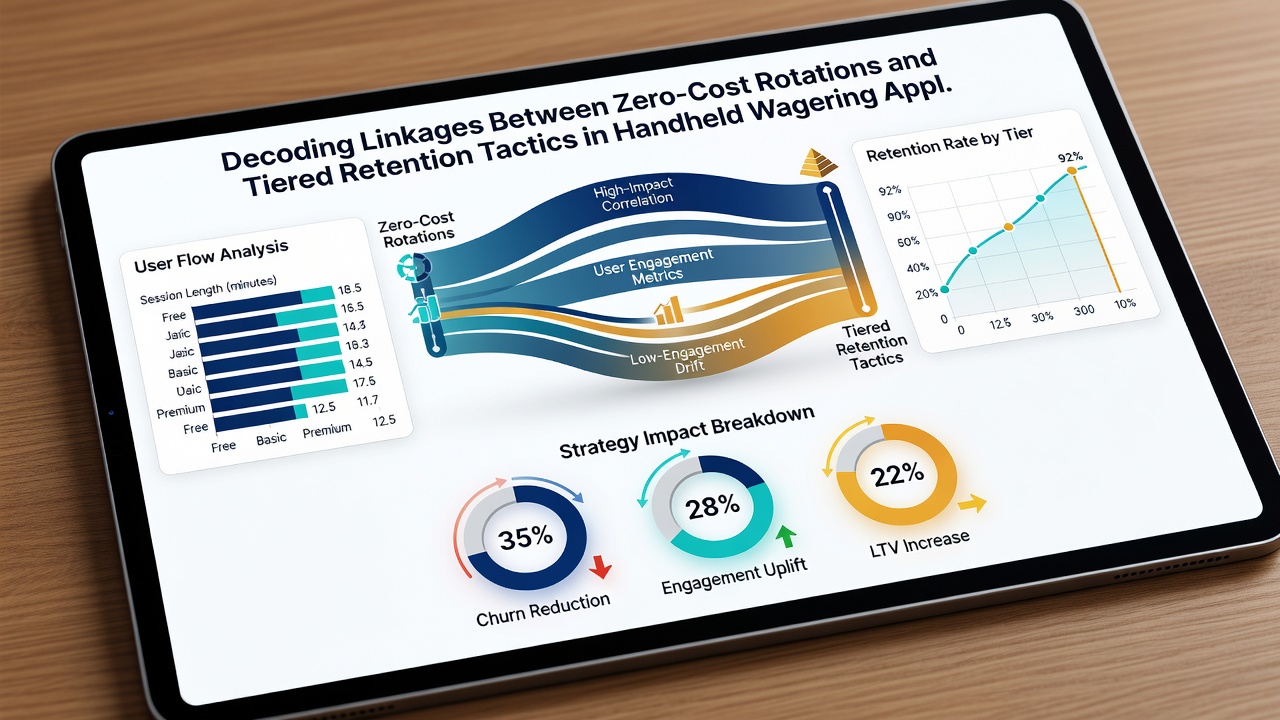
Research indicates that platforms measure the effectiveness of these combined tactics through retention curves, where players receiving zero-cost rotations at tier boundaries demonstrate longer active periods compared to those without such integration. The American Gaming Association compiles figures showing that applications emphasizing this linkage report higher rates of tier ascension within the first quarter of user activity, particularly when rotations carry restrictions that encourage continued play to unlock full value.
What's notable is how backend systems automatically convert rotation outcomes into tier points, allowing operators to adjust thresholds dynamically based on aggregate user data collected across multiple jurisdictions. This process operates without manual intervention, and evidence from platform audits confirms that the linkage reduces drop-off rates at each tier boundary by aligning immediate rewards with longer-term progression goals.
Technical Integration Approaches
Application developers embed these linkages through API connections between reward engines and loyalty databases, so every zero-cost rotation completion updates the player's tier standing in real time. Those who've examined code structures in published developer documentation note that conditional logic routes rotation results into tier calculations, often with multipliers applied at higher levels to accelerate advancement.
September 2026 updates in several major platforms introduced enhanced tracking for rotation-to-tier conversion rates, enabling finer segmentation of user cohorts according to geographic and behavioral variables. Industry organizations report that these refinements allow operators to calibrate reward frequency without altering core tier structures.
Conclusion
The documented connections between zero-cost rotations and tiered retention in handheld wagering applications rest on measurable data flows that align short-term incentives with sustained engagement targets across multiple regulatory environments. Continued monitoring by academic and industry sources will track how these linkages evolve with technological and policy shifts.